

how to read a mezcal label
Good Mezcal is endlessly complex, but choosing bottles you'll enjoy doesn't have to be complicated.
Judging a bottle by its label isn't the same as judging a book by its cover, exactly. It's more like judging someone by their dating profile. If it's filled with things you don't like, this probably isn't the person for you. If it's heavy on style and light on substance, that should tell you something. If it seems interesting and cool, it might still turn out to be too crazy for you, but it's still way more likely you won't completely regret dropping some money to find out.
Never before has there been so much great mezcal accessible to drinkers curious to explore the category. There's also never been so much boring and straight up bad stuff on the market, as the parade of celebrities, hoteliers, and marketing hype guys jump on the bandwagon, launching brands built around their love of music, fashion, made up shaman stuff, Indiana Jones cosplay, and everything other than what's in the bottles.
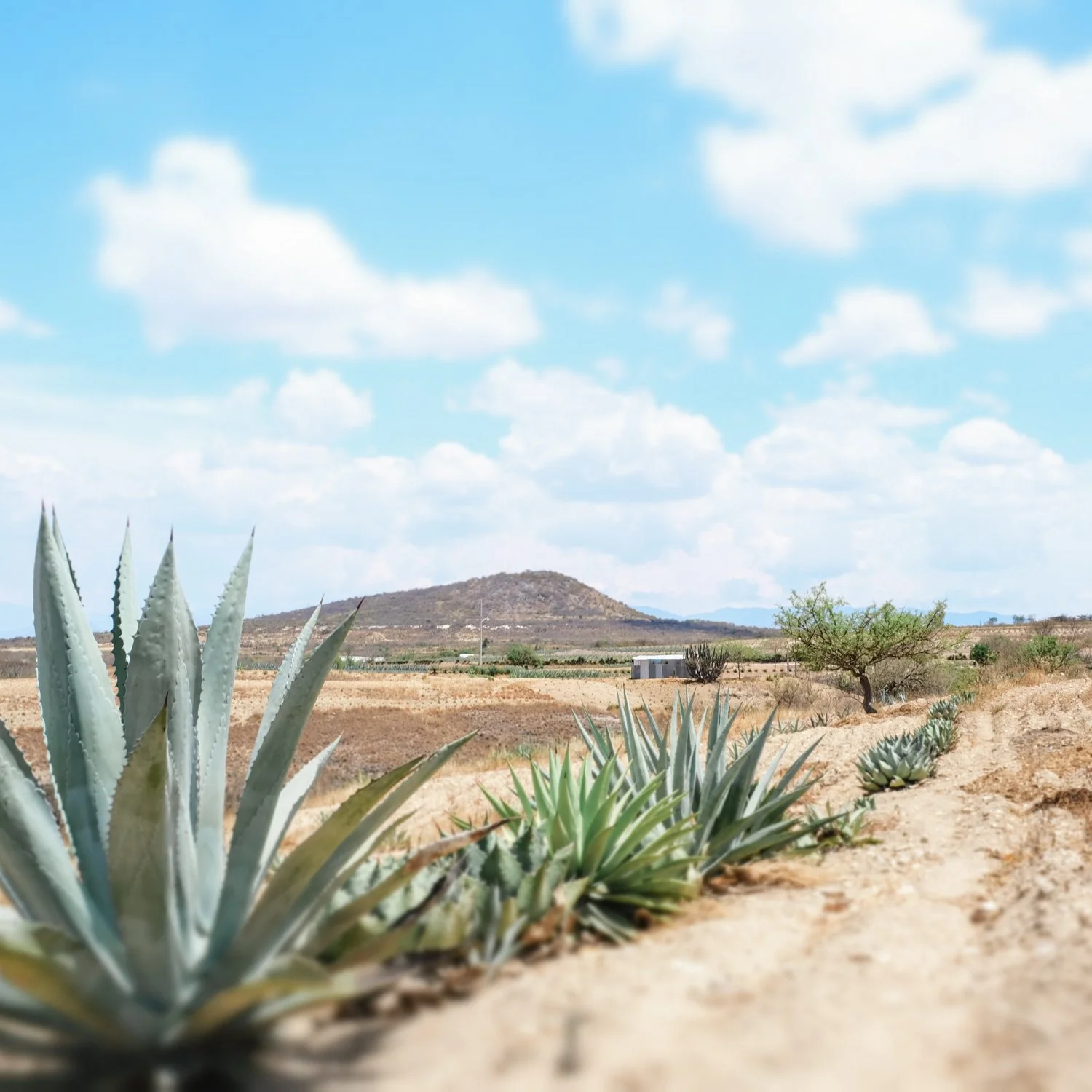
Logos and color palettes don't tell you anything about the flavors inside the bottle. A good label highlights the things that gave the mezcal its character, specifically, the people, place, process and plants that made the mezcal.
If you begin to recognize a few of these elements, they can serve as a reliable guide when choosing bottles or trying to make sense of why you like/dislike any mezcal. Here they are explained in order of their impact on mezcals' flavors, aromas and texture.
Marketing / vibes Labels Feature:
E. Rustic Looking Font
F. Vaguely Sexualized Indigenous Woman
G. Ambiguous Reference to Imaginary Spiritual Practice
H. Unverifiable Claims About Sustainability and Giving Back
Informative and Transparent VS Marketing an Ideology


Informative and Transparent Labels Feature:
A. Producer Name
B. Place of Production
C. Equipment Used
D. Agave Varietal
1. The Person Who Made It (aka "The Hand of The Maker")
What It Means:
Decisions at every step of the production process are made by the mezcalero, typically using only his senses and experience. Even when multiple mezcaleros share a distillery and use the same agave, the many small choices that each of them makes throughout the process can add up to very different finished products. Think of the same song covered by two different artists. The Johnny Cash version of "Hurt" might have all the same lyrics and notes as the Nine Inch Nails version, but nobody could ever confuse the two.

Why It Matters:
If you enjoyed a mezcal made by Victor Ramos, you're probably going to enjoy everything he makes (if you didn't like it, you might not like anything he makes). Since he's always working in the same place with the same equipment, etc. Any two bottles made by Victor are going to have all these things in common on top of sharing the same "hand of the maker."
What It Means:
First, there's the community where it was made. Until relatively recently, mezcal was produced for local consumption, and each place has its own way of doing things and ideas about what's best—see Chicago Pizza, Wisconsin Old Fashioneds, San Diego burritos, etc. While the mezcaleros in each community vary widely in experience and talent, it's pretty rare to find people doing things in ways that are fundamentally different from their neighbors. Think of the way a pitmaster coming up in Texas will learn to make Texas BBQ, while someone in Tennessee or St. Louis will learn to make it in their regional style. The same is true for mezcal.
Second, there is the "terroir" or natural environment of the place in question. Most good mezcal is made using agaves that grew pretty close to where it was distilled. The elevation, rainfall, soil type, water source, type of firewood and other elements of the place all play a big role shaping the flavors that the agaves and natural fermentation process will give to the mezcal.
2. The PLace
Why it matters:
There are too many brands and too many mezcaleros for anyone to know everything that's out there. As big as a map may seem, and as intimidating as some of the pronunciations may look, place is a great indicator of the type of mezcal that will be in a bottle. It's equivalent to browsing music or movies by genre. If you know that you've enjoyed bottles from the town of Santa Catarina Minas, you don't need to know the type of stills used there, the altitude and average annual rainfall. Just picking a mezcal from the same town will mean it will have all those things in common.

3. The Equipment
What It Means:
The traditional techniques used in each place are largely determined by the types of materials that were historically available. There are no rules about what can and can't be used as an oven, mill, fermentation tank, or still; and there are examples of good mezcal produced with almost every type of equipment imaginable.
Tequila people make a big deal out of tahonas (stone wheels used to crush roasted agave), but that has more to do with tahonas being the last surviving symbol of old school tequila than anything else. In our experience, nobody can blind taste the difference between a batch of mezcal that has been milled with a tahona VS wood chipper VS by hand. Similarly, while it's interesting to note the type of containers used for fermentation, they don't correlate to specific flavors or textures in a mezcal.
The pieces of equipment that play the biggest role in giving a mezcal its flavor are the oven and the still.
Pit oven or pre-hispanic oven
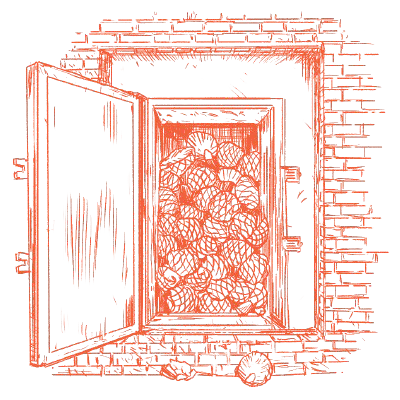
This is the most common method of cooking agave in the world of mezcal. If you've been to a luau or a backyard barbacoa, it's the same idea. Start with a giant hole in the ground, put a bunch of hardwood in the hole and light it on fire. When the fire has cooled down to glowing embers, cover it with stones, pile on a bunch of harvested agave, add old agave fibers or palm fronds and a tarp, top with a bunch of dirt and leave it buried for a week or so to roast.
There are Two Common Ways to Cook Agave:

Steam Oven
Agave piñas are packed into a small cement house or a long metal tank. High pressure steam is pumped into the room or tank to cook the agaves. Since the agaves aren't exposed to burning wood, no smokey flavors are introduced in this method. This one is pretty rare outside of tequila production, but there are a few.
The three most common types of stills are:
Filipino Claypot:
Fermented agave mash is loaded into a clay pot, a second clay pot with no bottom is stacked on top, and a metal (usually copper) pan is stacked above that. A wooden spoon that feeds into a bamboo tube pokes through a small hole in the side of the top pot. When the mash boils, the vapors rise up into the upper pot. Meanwhile, cold water runs over the top of metal pan. When the hot alcohol vapors touch the cold metal at the top of the still, they condense into liquid and drop onto the spoon, eventually dripping out the side where they are captured.

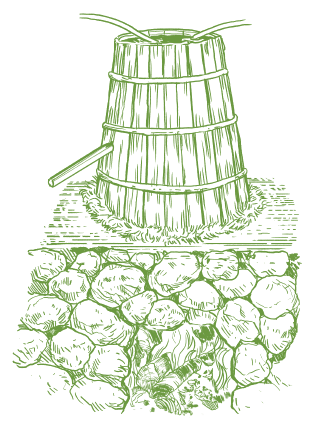
Filipino Wood on Copper:
This uses the same mechanics as the filipino claypot system, but uses a much larger copper pot on the bottom, and replaces the upper clay pot with a much larger wooden tube (imagine a large barrel with no head, just a ring of staves).
Copper Pot:
This is a smaller simpler version of what you find in Scotland and at craft distilleries around the world. A copper boiling pot topped by a copper head that feeds into a lyne arm and serpentine cooling tank.
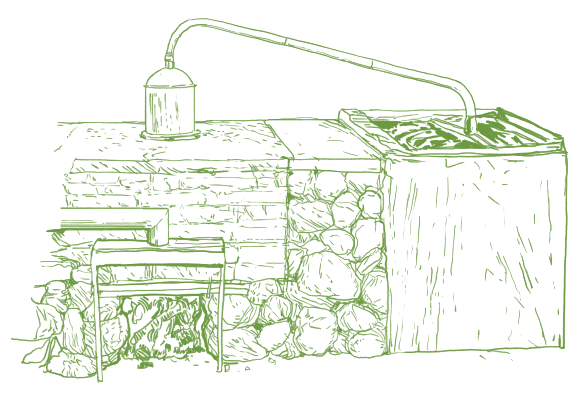
Each of these types of still are associated with different mezcal-making regions, some of which have variations on the basic structures - Durango uses a hybrid filipino still that feeds into a metal serpentine and cooling tank, some towns in Oaxaca, Guerrero and Puebla use Filipino claypot stills but replace the bottom pot with a small stainless steel pot, and some parts of Oaxaca add a refrescador (cooling jacket) to the upper chamber of their stills.
Why It Matters:
The type of oven used is what determines whether the mezcal has some smokey qualities or none at all. The particular flavor of the smoke and its level of intensity depend on the type of firewood (mesquite, oak, etc), ratio of wood to agave in the oven, length of time cooking, among other decisions made by mezcaleros.
Different types of stills can add or remove different flavors, and produce mezcals with different textures. Mezcal distilled in clay pots has a roundness and full body VS mezcal distilled in copper pots, which has a leaner texture and more clearly defined flavors.
What It Means:
Agaves are among the most diverse genus of plants on earth. Unsurprisingly, different species can produce very different aromas, flavors and textures in mezcal. However, the natural character of each species of agave is heavily influenced by the place where an individual plant grows, and that natural character is then heavily shaped by the production process that turns the agave into mezcal. In short, the agave varietal plays a role in shaping each mezcal, but it's usually not the defining element.
Why it matters:
If the only thing you recognize on a bottle is the name of the agave, that isn't going to tell you much about it. Trying to make sense of mezcal by focusing by on agave varietals out of context is like thinking about artwork just in terms of the color of paint that's used. "Yellow" might mean Van Gogh's Sunflowers or a portrait of Homer Simpson. Varietal matters, but needs to be considered in the context of where the agaves were grown, how they were made, etc.

4. Agave Varietal
Brands
Many of the best mezcal brands bottle mezcal from different producers in different places. Since the details of one release can be so different from the next, just recognizing the brand isn't going to tell you what flavors or style of mezcal to expect. Still, you might find that your palate is in sync with the people behind that brand, and the mezcals they liked enough to bottle are mezcals that you'll enjoy too, even if they're totally different from the brand's other releases.
Put This To Use
Find a bottle you enjoy, make a mental note what you enjoyed about it, take a photo of the labels, or be a proper nerd and write down a couple quick descriptions. If you're in a bar, see if you can find other bottles on the list that share some of the same elements, or save the photo for the next time you're at the store. Consider the ways in which the new bottle meets your expectations and the ways in which it surprises you. If you want to sound smart, consider this stuff out loud because you're thinking about mezcal like an aficionado now.
