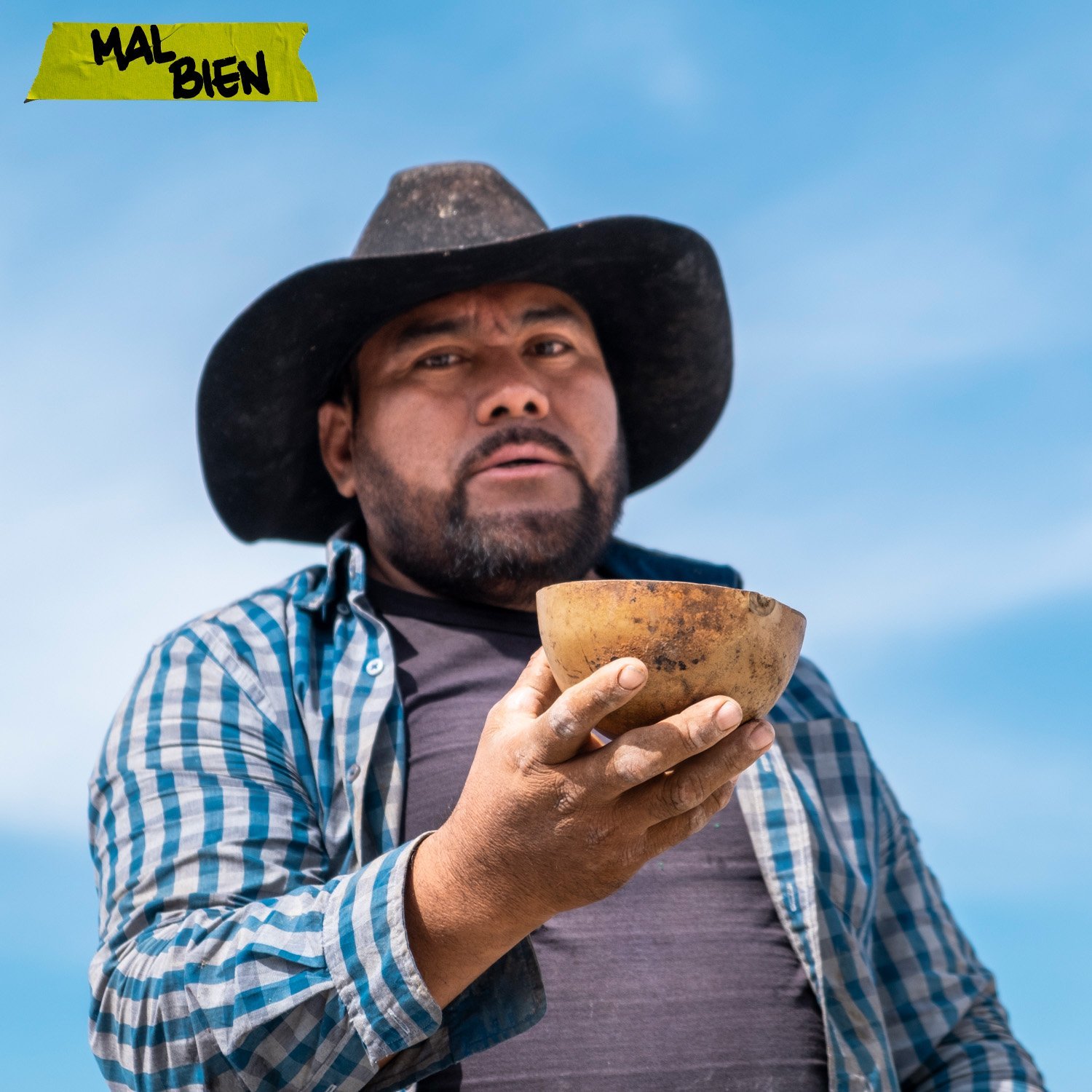
Chucho y Poncho Sánchez
san baltazar chichicapam, OAX
The hermanos Sánchez Altamirano represent the 4th generation of mezcaleros in the Sánchez family. Having learned their craft from their late father, the famed Faustino Sánchez, Poncho & Chucho built palenque “Los Hijos de Juana” named for their mother in 2019, and have continued the family’s legacy.

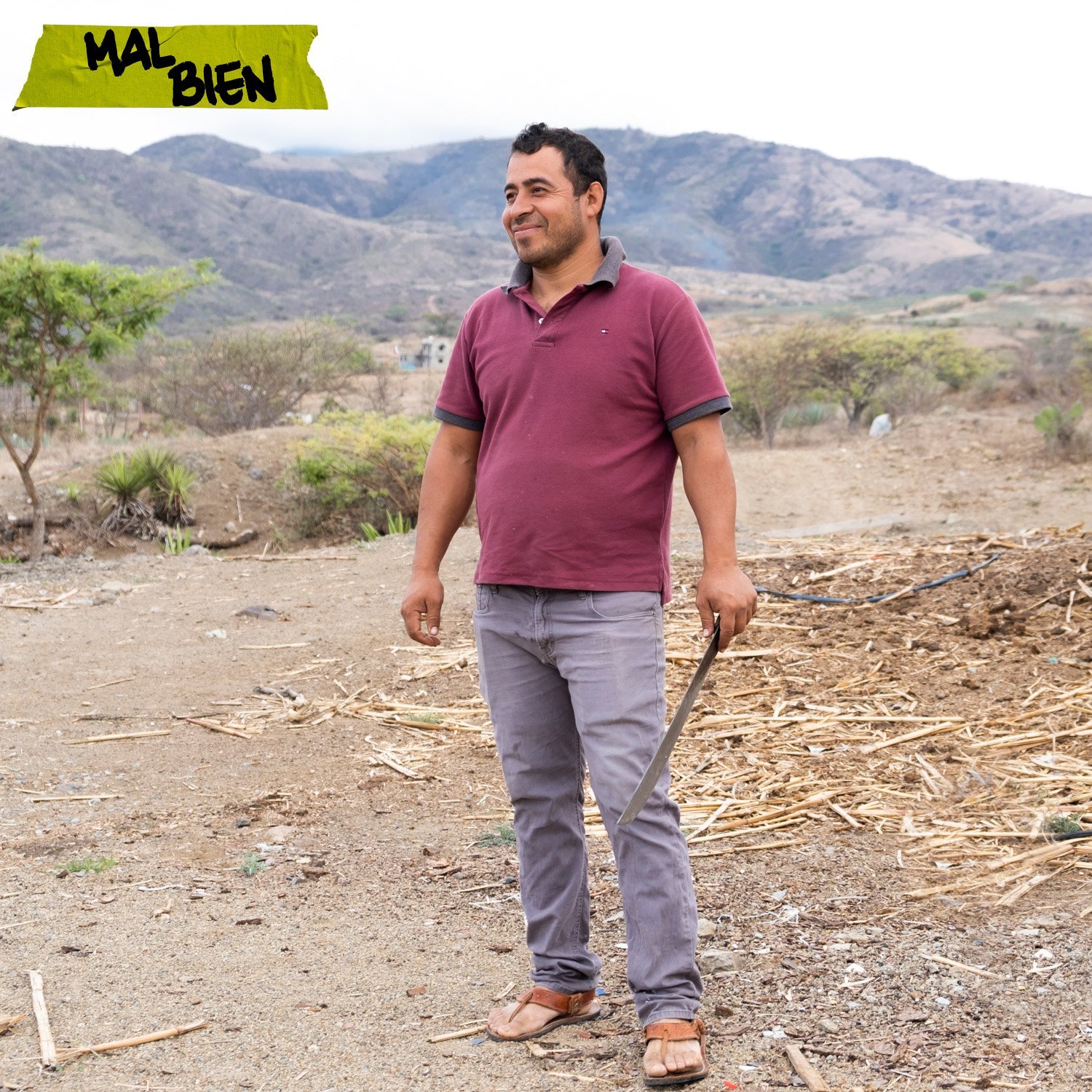
THE BASICS (December, 2020)
How old are you, and how long have you been making mezcal?
Chucho Sánchez: Since I was a little kid, I would help my father and brothers in the palenque, but by the time I was a teenager, I wasn’t interested. I had no idea this is what I would wind up doing. Even when I wasn’t interested, I was still helping my dad, and learning how to do this and that, practicing it.
How many generations has your family been producing mezcal?
Chucho Sánchez: It started with my grandparents or great-grandparent, but basically, they weren’t working 100% on mezcal. They only distilled for events or for their own consumption. Later, my father had the vision to build a palenque, and he started that with my oldest brothers Miguel and Beto, while Poncho was in the United States, and I was still in school.
How long have you worked in your palenque?
Chucho Sánchez: When I was young, my father would rent time in other people’s palenques. Then, when he had enough money to build his own, we worked there, and I shared with all of my brothers after my father passed. In 2018, Poncho and I decided to build a new palenque, “Los Hijos de Juana,” and little by little we set it up. So where we work now is very new.
Has your approach to making mezcal changed over the years?
Chucho Sánchez: The process for us is exactly the same. Our father told us, “this is how things are done” and that’s how we still do it today. What’s changed is the structure of the palenque. We’ve built it to be as practical as possible so that if I’m working alone, I can do everything without too much trouble. We designed it based on idea from our experience working in other palenques where we noticed little problems. But the mezcal is the same as it’s always been..
What’s the difference between good and bad mezcal?
Chucho Sánchez: It’s difficult for me to tell you what is a good or bad mezcal. Of course when you taste something you don’t like, you know it, but I’ve never tasted a bad mezcal that was adulterated or something like that. I don’t drink. I taste my own mezcal, or when I visit a friend, I taste their mezcal, but I don’t know anyone who makes adulterated mezcal and I’ve never tried it.


PRODUCTION
Oven: 10 Ton Pit
Cook Time: 3 Days
Wood: Encino
Rest: 5 Days
Mill: Hebradora + Tahona
Fermentation Tanks: Ocote Pine (Pinus Sp.)
Water: Well
Fermentation Time: 3-5 Days
Distillations: Two
Still: 275 Liter Copper Alambioues
Adjustment: Puntas and Colas*